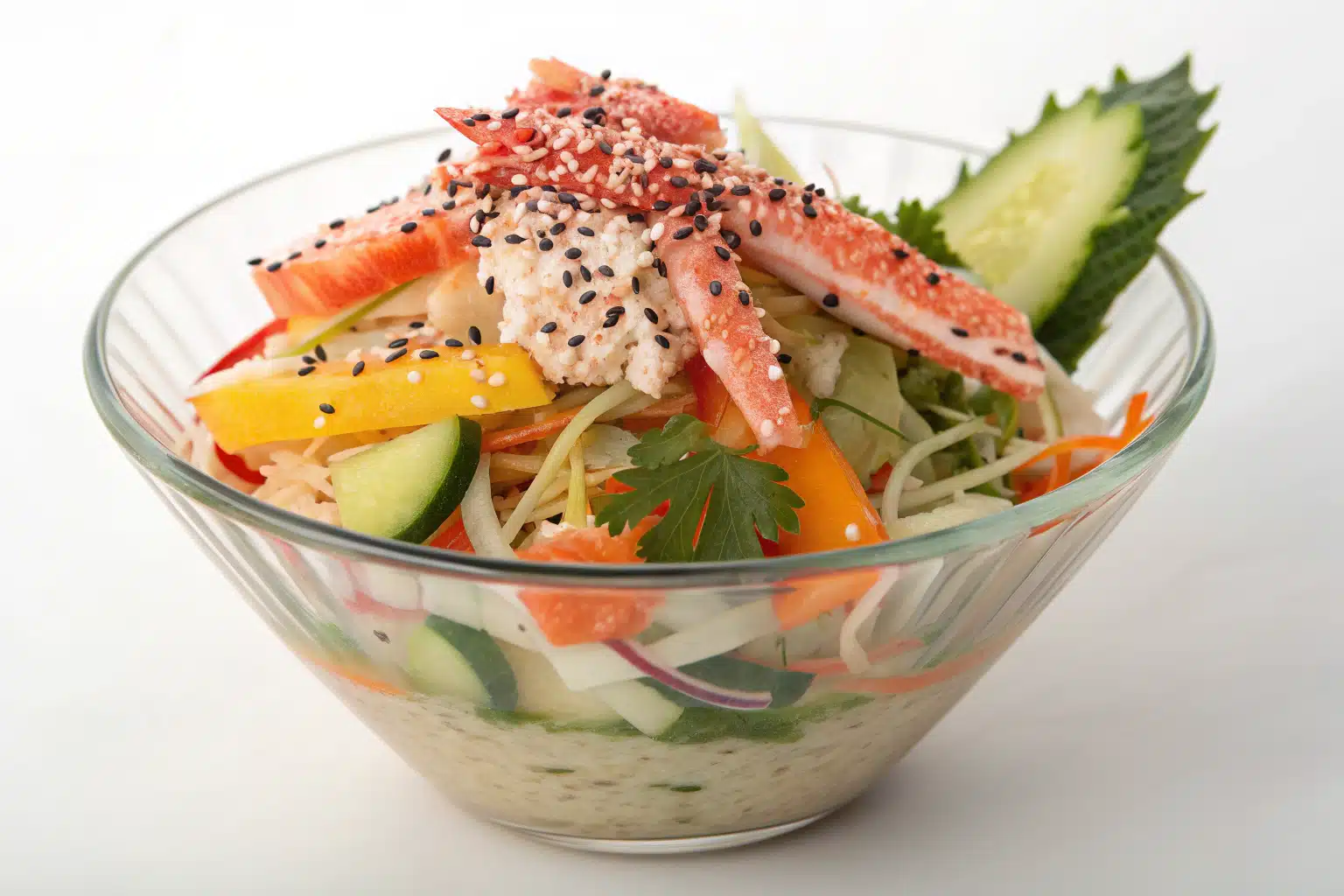
Kani Salad Demystified: From Japanese Classic to Spicy American Favorite
The culinary world is a fascinating tapestry of evolving tastes and traditions, and few dishes exemplify this journey quite like Kani Salad. What began as a refreshing, crunchy staple in Japanese cuisine has gracefully transformed into a beloved, often spicy, sensation across American tables. At its heart, Kani Salad is a delightful symphony of shredded imitation crab sticks, crisp vegetables, and a creamy, savory dressing. It’s a dish celebrated for its textural contrast, vibrant flavors, and remarkable versatility, making it an ideal choice for everything from a light, healthy meal to an impressive appetizer.
What Exactly is Kani Salad? Unpacking the Core Ingredients
To truly appreciate Kani Salad, we must first understand its foundational components, particularly the star ingredient: "kani." While "kani" is the Japanese word for crab, in the context of this salad, it almost exclusively refers to **kanikama**, or imitation crab. This distinction is crucial, as it speaks to the dish's identity and its cultural journey.
Imitation crab is a marvel of culinary innovation, primarily composed of **surimi** – a paste made from minced white fish, typically Alaskan pollock. This paste is then carefully processed, flavored with natural and artificial crab essences, and molded into strips or flakes, often with a distinctive red-orange coloring on the outside to mimic the appearance of real crab meat. In Japan, kanikama is a widely accepted and respected ingredient, a common feature in everything from California rolls to croquettes and omelets. Its perceived "authenticity" isn't questioned in the same way it sometimes is in Western cuisine, where the term "krab" (with a 'k') often signals its artificial nature, leading to a somewhat undeserved "bad rap" among some consumers.
Beyond the kani, the salad is built upon a foundation of fresh, crunchy vegetables. Common additions include finely shredded cucumber, adding a cool, watery crispness, and sometimes carrots for a touch of sweetness and vibrant color. These vegetables provide not only essential vitamins but also that irresistible textural counterpoint to the soft, flaky imitation crab. The binding agent and flavor powerhouse is typically a creamy, mayo-based dressing, often enhanced with a hint of sesame oil for an aromatic, nutty depth, and perhaps a touch of rice vinegar for brightness and balance.
From Traditional Japanese to Spicy American Palates: The Evolution of Kani Salad
The evolution of Kani Salad is a compelling tale of cultural exchange and adaptation. The **Classic Japanese Kani Salad** is traditionally known for its light, refreshing profile. It’s an elegant side dish or appetizer, embodying a delicate balance of savory, sweet, and tangy notes without any overt heat. This version is a testament to the Japanese culinary philosophy of highlighting natural flavors and textures, served chilled to enhance its crispness and invigorating quality. You'd find it in traditional izakayas or sushi restaurants, valued for its simplicity and clean taste.
However, as Japanese cuisine gained popularity in America, many dishes underwent a fascinating transformation to cater to local palates. This gave rise to the **Spicy Kani Salad**, a fiery spin that has become a ubiquitous offering in American sushi establishments. The fundamental elements remain – imitation crab and crunchy vegetables – but the dressing takes on a bold new character with the generous addition of sriracha or other chili sauces. This infusion of heat appeals directly to the American preference for spicier flavors, adding an exciting kick that elevates the dish from subtle to sensational. Some Americanized versions even incorporate sweet elements like mango, though purists might argue this strays too far from the original essence. Regardless, the spicy variant has carved out its own niche, often served over a bed of crisp lettuce or as a dynamic component in popular poke bowls, showcasing its adaptability as an appetizer, side dish, or a light meal component.
Beyond the Bowl: Health Benefits, Versatility, and Serving Suggestions
Kani Salad is much more than just a delicious dish; it’s a remarkably versatile and often surprisingly healthy option. For those conscious about their dietary intake, Kani Salad offers a compelling choice. It’s typically **low in calories**, especially when prepared with light mayonnaise or a reduced-fat dressing. The abundant fresh vegetables—like cucumbers and carrots—are rich in essential vitamins, minerals, and dietary fiber, contributing significantly to a nutritious diet. The addition of sesame oil, common in many dressings, provides healthy monounsaturated and polyunsaturated fats, while both the imitation crab and mayonnaise offer a satisfying protein boost. This combination makes Kani Salad an excellent option for a light, nutritious meal, particularly appealing during warmer months when fresh produce is at its peak. For more on its nutritional value and adaptability, explore our guide on
Healthy Kani Salad: Low-Calorie & Versatile for Any Occasion.
The true beauty of Kani Salad lies in its adaptability. While the core components are consistent, the variations are endless. You can experiment with different types of crunchy vegetables, such as thinly sliced bell peppers, radishes, or even jicama for a unique texture. Adding avocado brings a creamy richness, while a sprinkle of tobiko (flying fish roe) or masago (capelin roe) introduces a delightful briny pop and an appealing visual element. For an extra layer of crunch, consider toasted panko breadcrumbs or tempura flakes. The dressing itself can be customized with a squeeze of fresh lime juice for zest, a grating of fresh ginger for warmth, or a touch of honey for added sweetness.
Kani Salad is incredibly flexible in its serving. It shines as an elegant appetizer at dinner parties, a refreshing side dish alongside grilled Japanese fare like yakitori or chicken teriyaki, or a satisfying light lunch on its own. Its make-ahead convenience is another major plus; you can prepare it up to a day in advance, storing it tightly covered in the refrigerator to keep the ingredients fresh and crisp.
Crafting Your Perfect Kani Salad: Tips for Home Cooks
Recreating the magic of Kani Salad at home is surprisingly straightforward, taking mere minutes to assemble. Here are some tips to help you craft your perfect bowl:
*
Choose Quality Ingredients: While it’s imitation crab, opt for a reputable brand. The texture and flavor can vary, and a better quality imitation crab will have a more appealing, flaky consistency that mimics real crab meat more closely.
*
Master the Shred: For the best texture, ensure your imitation crab is properly shredded. You can gently pull it apart with your fingers or use two forks to create thin, even strands. This allows the dressing to coat every piece evenly.
*
Freshness is Key for Crunch: Always use the freshest possible vegetables. Cucumbers, for instance, should be firm and vibrant. Consider seeding your cucumbers to prevent the salad from becoming watery over time.
*
Balance the Dressing: The dressing is the heart of the salad. If making a classic version, aim for a creamy, savory, slightly sweet profile. For a spicy version, gradually add sriracha or chili garlic sauce until it reaches your desired level of heat. A squeeze of lemon or lime juice can brighten the flavors significantly.
*
Don't Forget the Garnish: A sprinkle of toasted sesame seeds (white, black, or a mix) not only adds a lovely aesthetic touch but also a subtle nutty flavor and extra crunch. Fresh scallions or cilantro can also elevate the presentation and taste.
*
Chill Thoroughly: Kani Salad is best served well-chilled. Allow at least 30 minutes in the refrigerator before serving to let the flavors meld and the salad to reach its optimal refreshing temperature.
With its simple ingredients and quick preparation time, Kani Salad is an accessible culinary delight for any home cook. For a step-by-step guide to making this dish in under 15 minutes, be sure to check out our
Easy Kani Salad: The 15-Minute Recipe for a Delicious & Healthy Meal.
In conclusion, Kani Salad offers a delightful journey through culinary adaptation – from its humble origins as a revered Japanese staple to its vibrant, often spicy, American incarnation. Its harmonious blend of tender kani, crisp vegetables, and creamy dressing creates an unforgettable sensory experience. Whether you prefer the traditional, refreshing version or crave the zesty kick of its American counterpart, Kani Salad is a dish that promises ease of preparation, versatility, and undeniable deliciousness, cementing its place as a beloved favorite around the globe.